Seat belts, explained without the marketing.
Seven guides written for people who specify, fit or maintain restraint systems. They explain how the mechanism actually works, what different kinds of wear indicate, and how to choose a part that suits a position rather than merely bolts into it.
 Belt routing & engagement
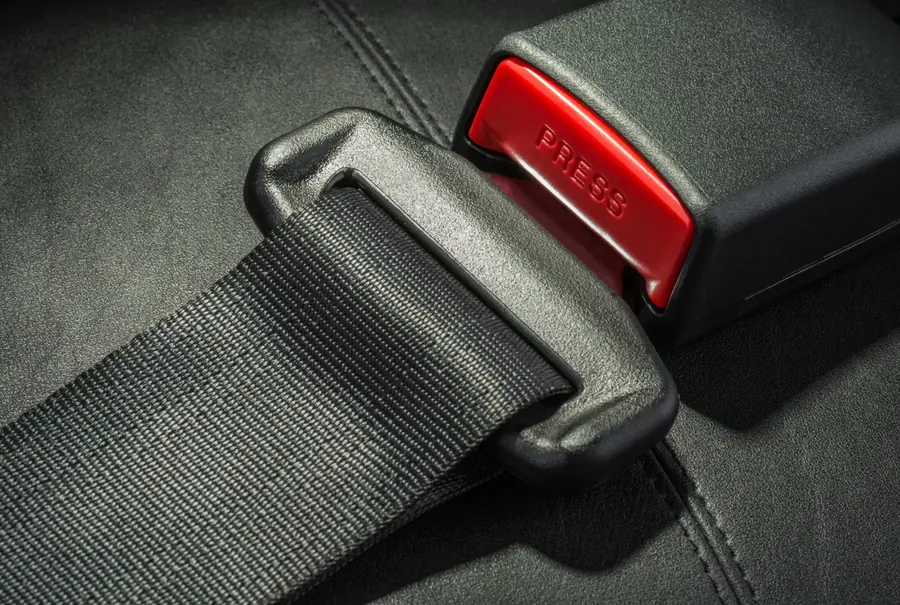
What Is a Seat Belt System and How Does It Work?
Every part in the chain, what each one does, and how they behave together during normal use and sudden deceleration.
If you only read one of these, read this one. Everything in the other six assumes the vocabulary and the mental model that this article sets up — what the parts are called, what each one is responsible for, and how they behave as a system rather than as a collection.
All seven guides
Each article stands on its own, but they are ordered so that reading them in sequence builds up rather than repeats.
 Mechanism
Understanding Seat Belt Retractors
Spool, spring and locking mechanism — why a belt pays out smoothly but grabs when tugged, and what ALR and ELR mean in practice.
Read Article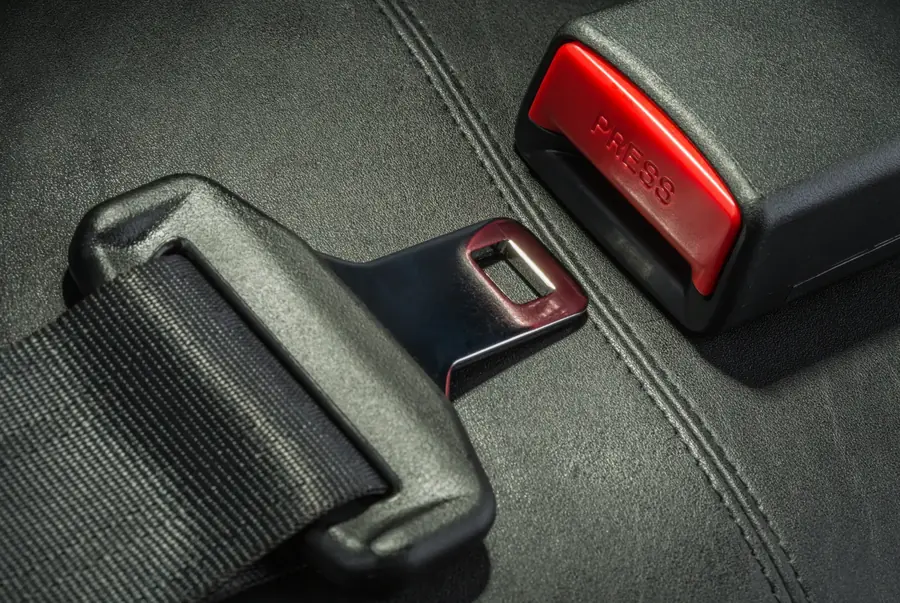 Formats
Different Types of Seat Belt Assemblies
Two-point, three-point, static and retractor formats — what each one is for, and where substituting one for another causes problems.
Read Article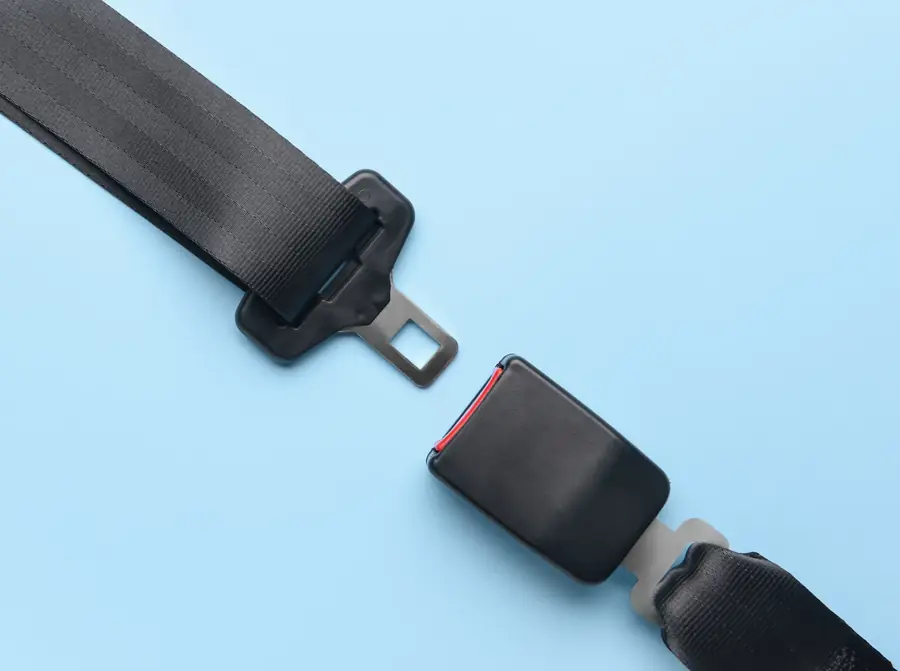 Selection
Factors to Consider When Selecting Seat Belt Components
The measurements and answers that decide whether a part fits — and the assumptions that most often cause a belt to arrive wrong.
Read Article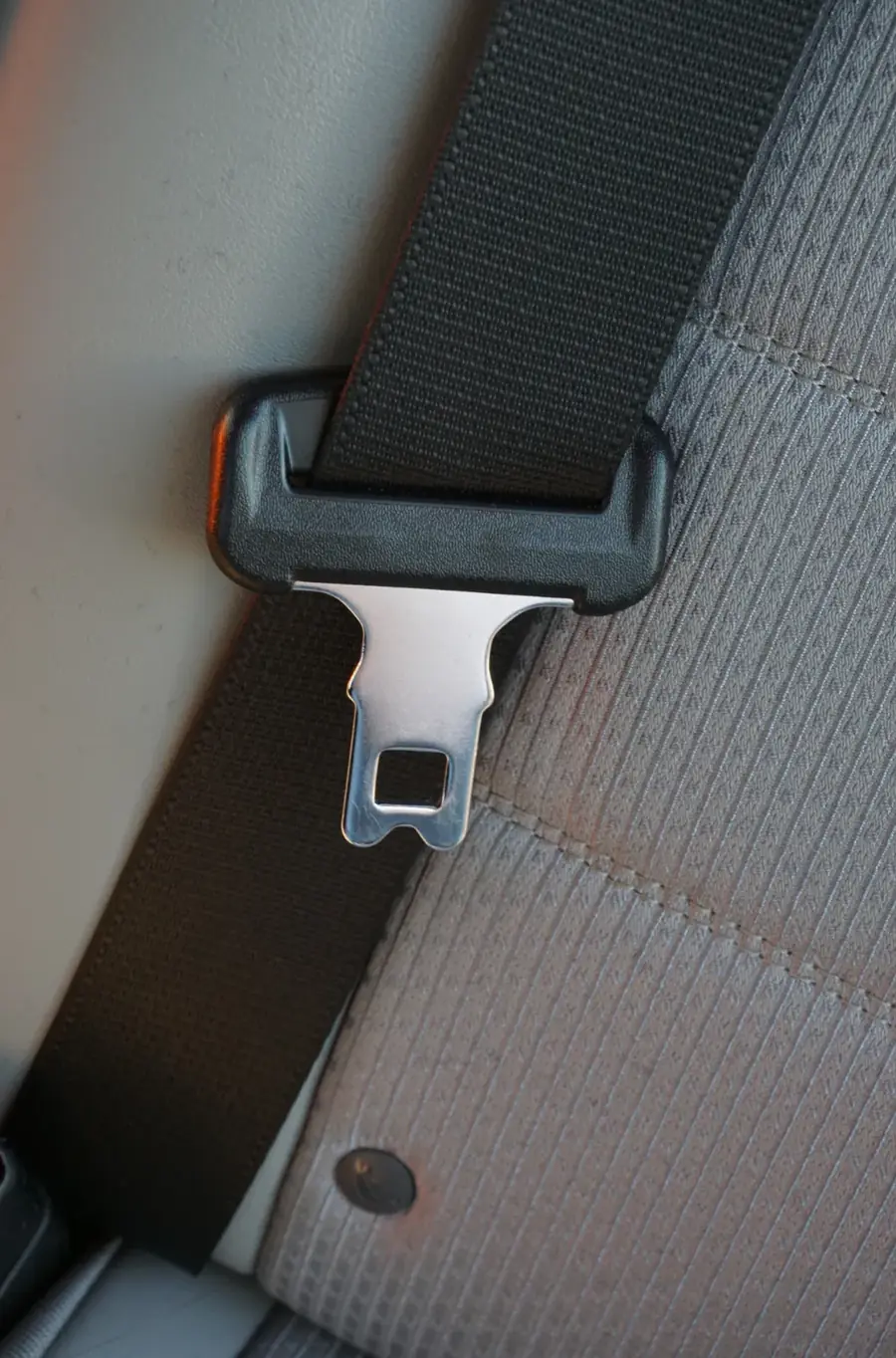 Maintenance
General Seat Belt Inspection Awareness
What to look at, what different kinds of wear indicate, and which findings mean the system should go to a qualified technician.
Read Article Applications
Seat Belt Solutions for Different Vehicle Applications
How the same product family behaves differently across passenger cars, commercial vehicles, industrial equipment and specialised seating.
Read Article Background
The Evolution of Vehicle Restraint Systems
How occupant restraint developed from a simple strap into a coordinated system — and why older ideas still survive in industrial seating.
Read ArticleWhat they are, and what they are not
These articles are general explanatory material written from working familiarity with the product family. They are intended to help you understand what you are looking at and ask better questions.
- They are not a repair manual for your vehicle or equipment. Manufacturer guidance is the authority for any specific machine.
- They contain no invented figures. Where a number would be useful but we cannot substantiate it, we say so instead of estimating one.
- They do not substitute for inspection by a competent technician who can see the vehicle in front of them.
- They are updated when we find something explained poorly or realise we have assumed knowledge a reader will not have.
If something here is unclear, ask us directly.
Questions from readers are a large part of how these guides get better. If an explanation did not land, tell us — and if you have a fitment question, we will answer that too.