Automotive Seat Belts
Front and rear seat belts for passenger cars, vans and light commercial vehicles — supplied to suit the seat position, the anchorage layout the vehicle was built with, and the webbing travel the seat adjustment actually demands.
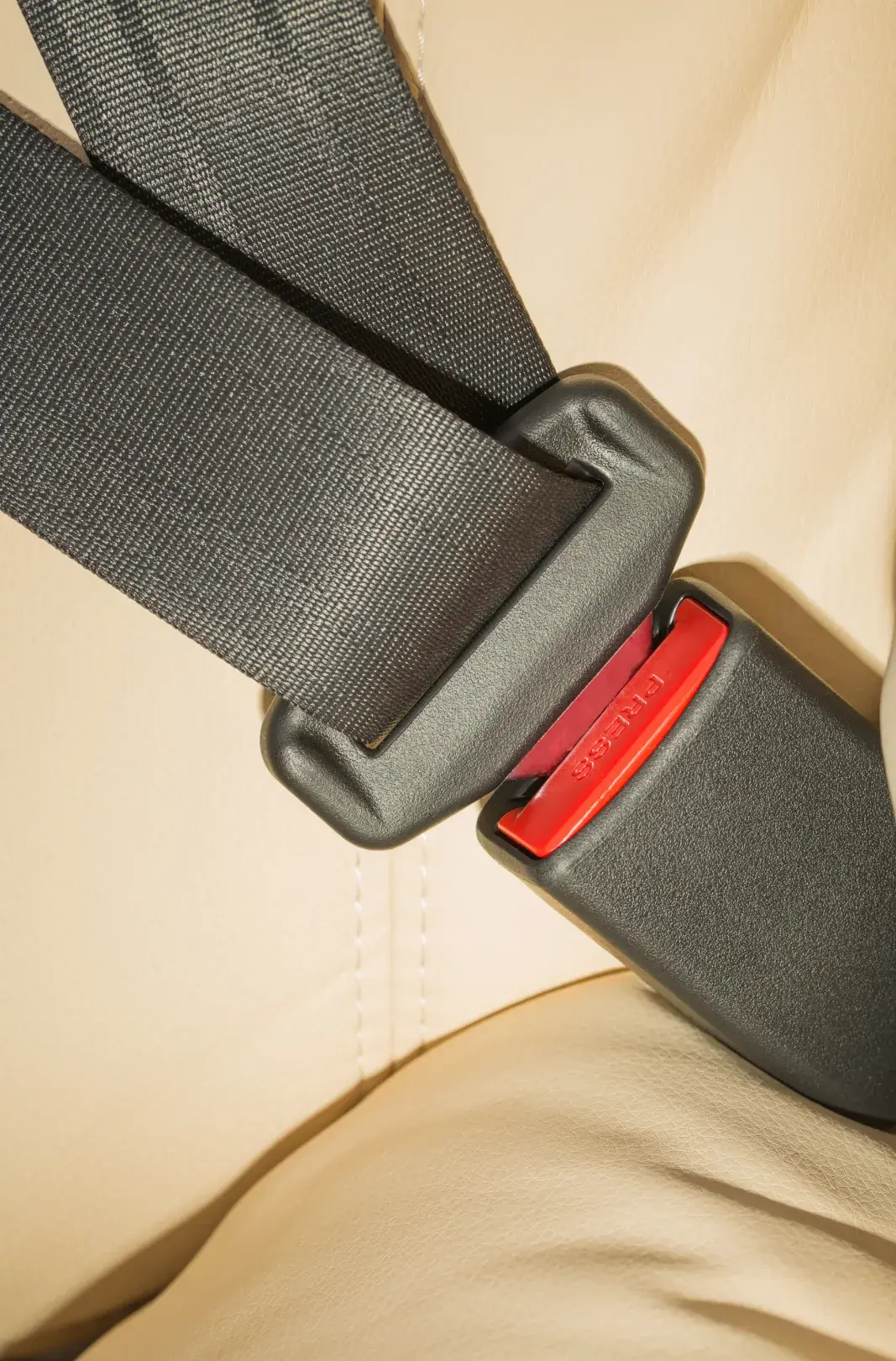 Belt latched in position
The belts that cover most road-going seat positions
Automotive seat belts are the category most enquiries begin in. These are the belts fitted to passenger cars, vans and light commercial vehicles: predominantly three-point, retractor-based assemblies at the outer front and rear positions, alongside static lap belts still used in some centre-rear and bench arrangements.
Although the format looks standardised from the outside, the detail underneath is not. Two vehicles of similar size can differ in how many anchorage points a position uses, whether those points sit on the seat frame or the body structure, how much webbing travel the seat adjustment range demands, and how the retractor must be oriented to lock as intended. A belt that physically bolts into place has not, by that fact alone, been shown to suit the seat.
What we supply here is therefore matched rather than merely stocked. Tell us the vehicle, the seat position and how the existing belt mounts, and we will identify the format that belongs there — including the cases where the honest answer is that a position needs a complete assembly rather than a replacement belt alone.
Key features
- Position-specific formats — front outer, rear outer and centre positions each behave differently and are quoted as such rather than as one generic part
- Retractor and static options — supplied according to what the position was designed around, not according to what is easiest to source
- Webbing travel checked — against the seat adjustment range so the belt does not run short at full extension
- Hardware interface confirmed — bolt thread and length, stalk length, tongue profile and buckle type all verified before dispatch
- Pre-dispatch inspection — webbing, stitching, hardware finish and latching action examined on every consignment
- Single pieces or fleet volumes — a one-belt workshop repair is handled with the same process as a standing fleet requirement
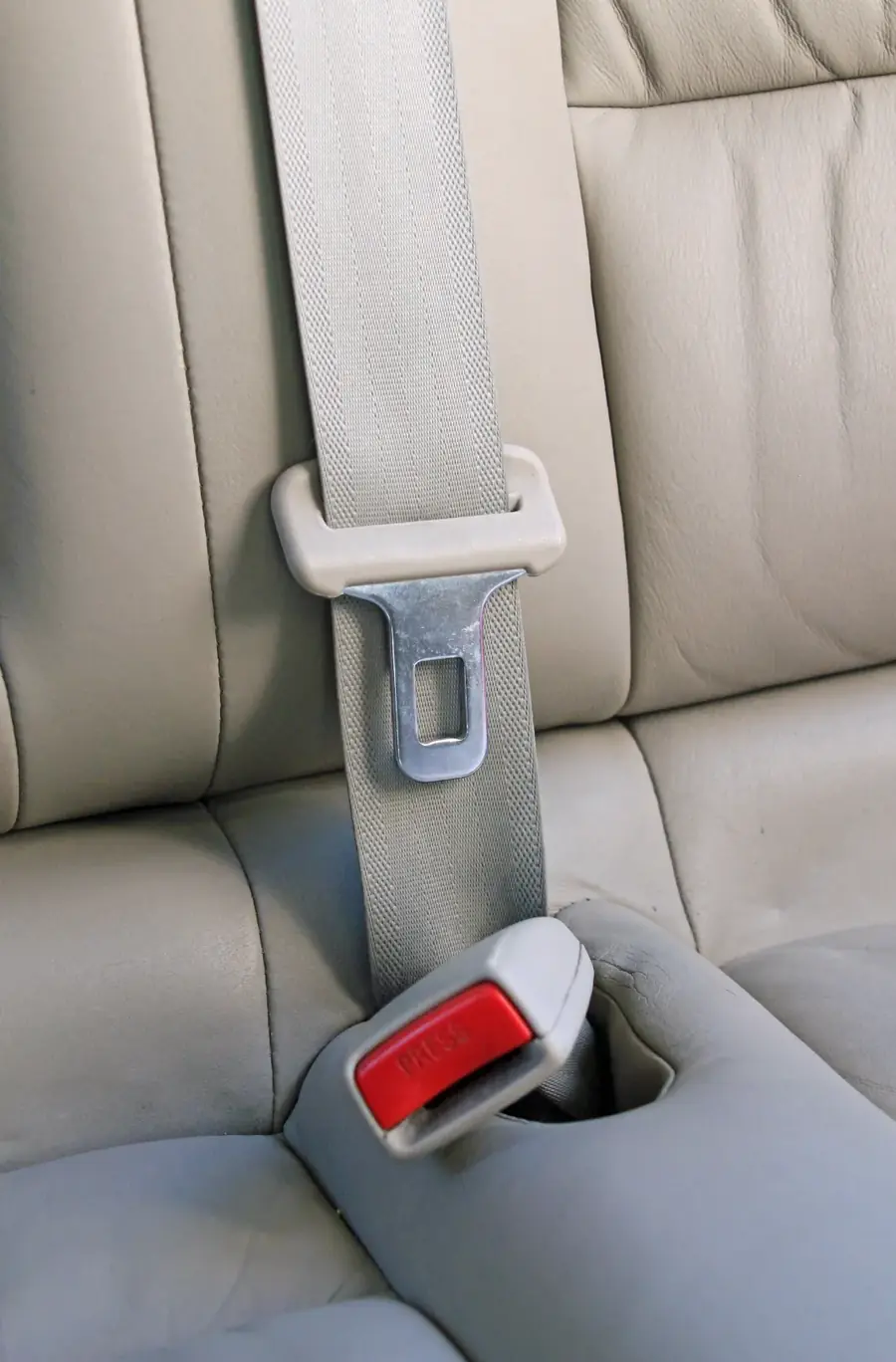
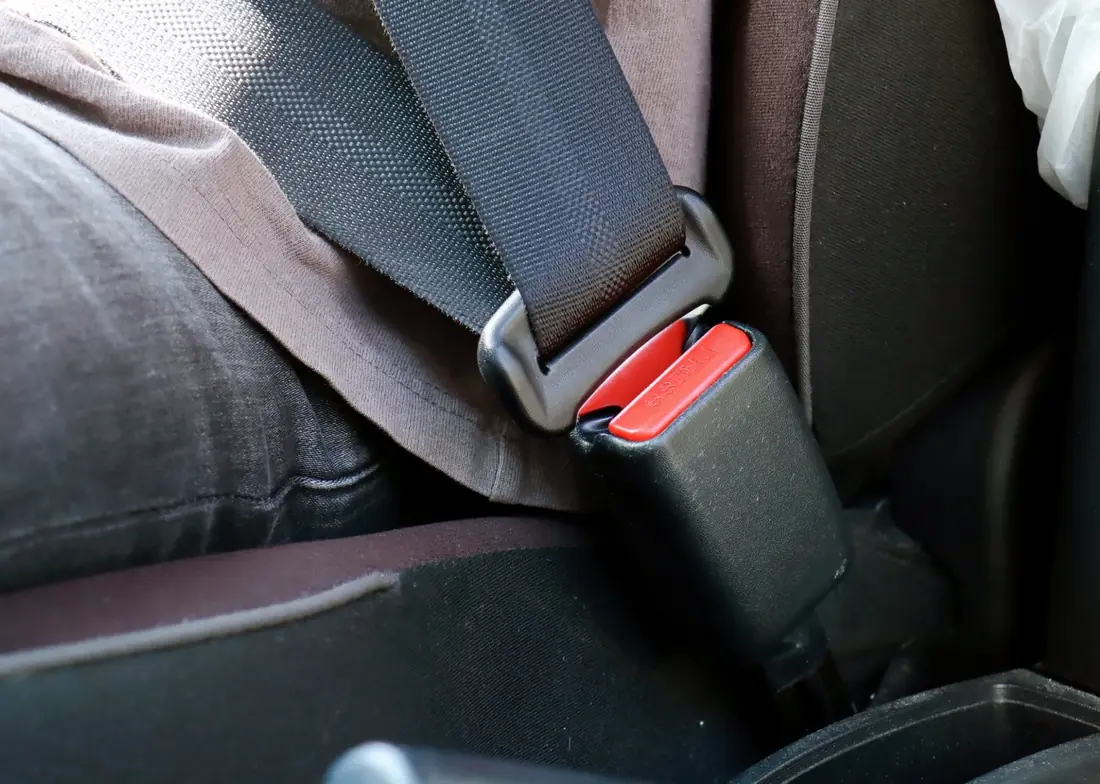
Automotive belts in position
Images showing the belt as installed and in use, plus the buckle and stalk detail that most often determines whether a replacement will interface correctly.
SELECT AN IMAGE
Images are representative of the product family. The exact item supplied is confirmed against your fitment before dispatch.
Where automotive seat belts are supplied
The same category covers a wide span of vehicles, but the fitment questions shift noticeably between them.
Passenger cars
Hatchbacks, sedans, SUVs and MPVs across front and rear positions. Anchorages are integrated into the body structure and retractors are near-universal at outer positions.
Vans & light commercials
Higher duty cycles and frequently a mix of individual and bench seating in the same cabin, which means more than one belt format in a single vehicle.
Taxi & ride-hail fleets
Belts that are buckled and released many times a day. Retractor return and release-button action wear noticeably faster than on private vehicles.
Driving schools & rentals
Similar high-cycle usage with a strong preference for standardising on one specification across a whole fleet.
Body-built vehicles
Where seating has been added or rearranged, the original anchorage assumptions may no longer hold and the position has to be specified from scratch.
Restoration & rebuild
Older vehicles where the original belt is unavailable and the practical question becomes what will correctly suit the existing anchorages.
What to establish before ordering an automotive belt
Four things decide whether a belt will work in place. Everything else is detail.
Identify the exact seat position
Front outer, rear outer and centre positions are genuinely different parts. “A rear belt” is not a specification — which side, and which of the rear positions, changes the assembly.
Count and locate the anchorage points
How many mounting points the position uses, where they sit, and whether they are on the seat frame or the vehicle structure. This is the single most decisive answer.
Measure the belt travel you need
Run the seat to its furthest rearward and most reclined setting, then check how much webbing the position demands. A belt sized at mid-position can fall short at the extremes.
Check the hardware you are keeping
If you are replacing only the belt and retaining the existing buckle, the tongue profile must properly seat in that buckle. Where there is any doubt, supplying the matched pair removes the risk entirely.
A note on responsibility
Requirements vary by vehicle, equipment and application. Where a manufacturer specifies particular restraint parts, torque values or fitting procedures for a position, that guidance should be followed and the work carried out by a competent technician. We supply components and help you identify what suits a fitment; we do not inspect your vehicle, and nothing on this page substitutes for a professional assessment of it.
Related product families
Seat Belt Assemblies
When the position needs the whole matched set rather than the belt alone — webbing, tongue, buckle, hardware and retractor together.
Retractor Systems
The spool and locking mechanism behind most automotive belts, supplied to match capacity, locking type and mounting orientation.
Seat Belt Components
Individual buckles, tongues, anchor plates, loops and hardware for repair work where a full assembly is not required.
Need an automotive belt matched to a specific vehicle?
Send the vehicle details, the seat position and a photograph of how the current belt mounts. We will confirm the format that belongs there before quoting.