SBD Seat belt distribution & supply
Reliable Seat Belt Solutions. Engineered for Safety.
Seat Belt Distributor supplies seat belts, complete assemblies, retractor systems and related restraint components to workshops, body builders, fleet operators and industrial equipment manufacturers. We work from the vehicle, the seat and the mounting arrangement backwards — so what arrives is the part that actually fits the application.
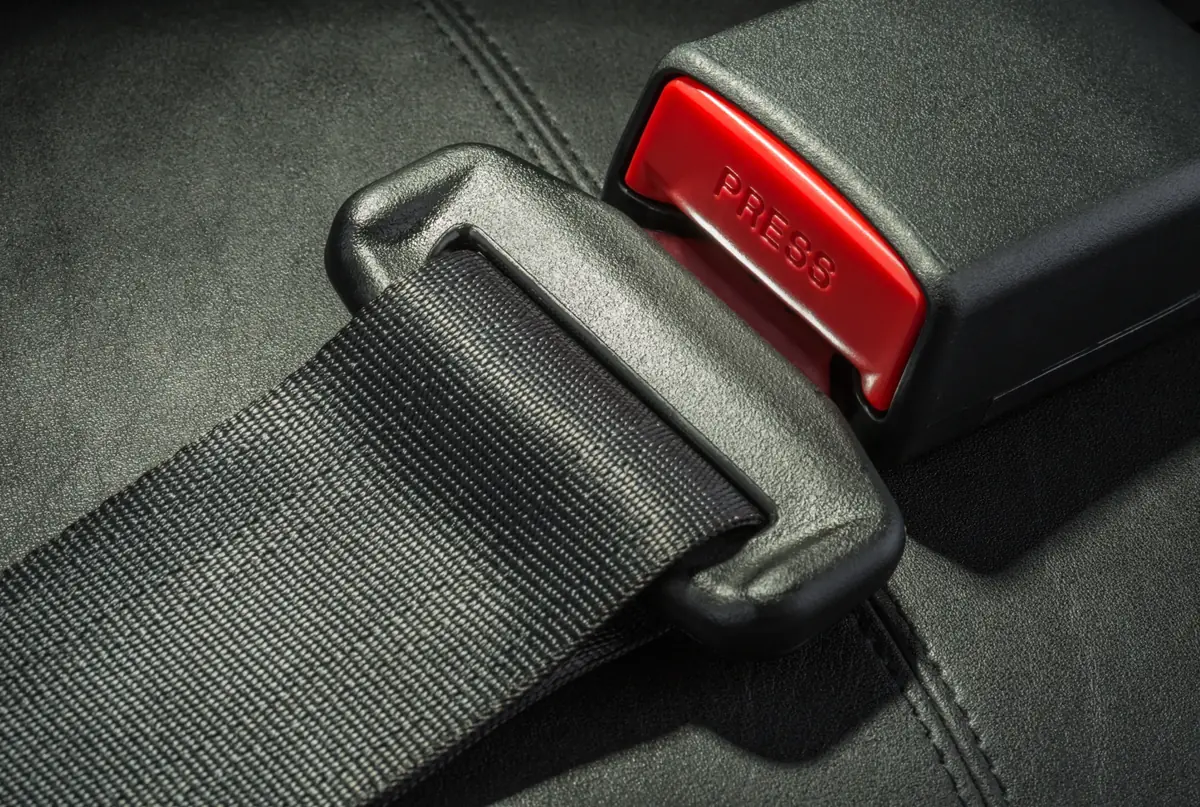 Tongue & buckle engagement
What you can expect from us
Reliable Distribution
Enquiry, clarification, quotation and dispatch handled as one continuous thread, so you always know where a requirement stands.
Quality-Focused Products
Webbing condition, stitch integrity, hardware finish and latching feel are checked before a consignment leaves us.
Automotive & Industrial
Passenger cars, commercial bodies, buses, tractors, cranes and static operator seating all draw on different belt formats.
Responsive Support
Send a photograph of the existing belt and its mounting, and we will tell you what will physically fit before you order.
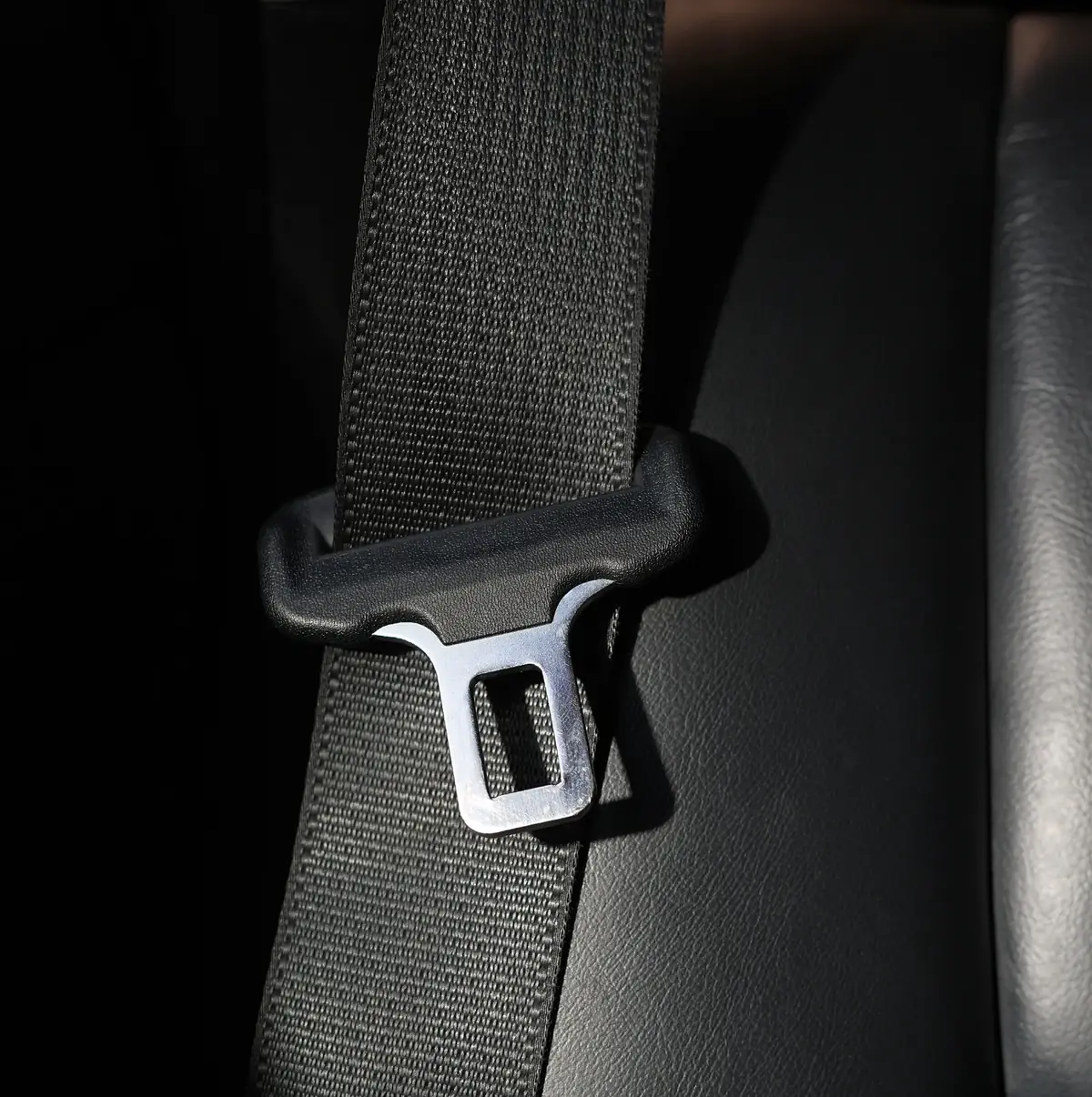 Pillar loop & webbing path
A distributor built around one narrow, unforgiving product family
A seat belt is not a general-purpose accessory. It is a restraint that has to hold a specific occupant, in a specific seat, anchored to specific points on a specific structure. Get the length, the anchorage format or the retractor behaviour wrong and the part is not merely inconvenient — it is unusable.
Availability that respects downtime
A vehicle waiting on a restraint component is a vehicle not earning. We hold our range around the belt formats that are asked for most often, and we are direct about lead times on anything that is not immediately at hand.
Selection guided by the application
Before quoting, we want to know what the belt mounts to, how the seat moves, whether the occupant is seated upright or reclined, and how much webbing travel the position needs. Those answers change the part.
Straight answers over sales pressure
If a requirement sits outside what we can properly supply, we say so. If a vehicle manufacturer's own guidance should be followed for a particular fitment, we will point you there rather than guess.
Five families that cover almost every belt request we receive
Most enquiries resolve into one of these groups. Each page below explains what the category covers, where it is typically used and what we need to know from you before recommending a part.
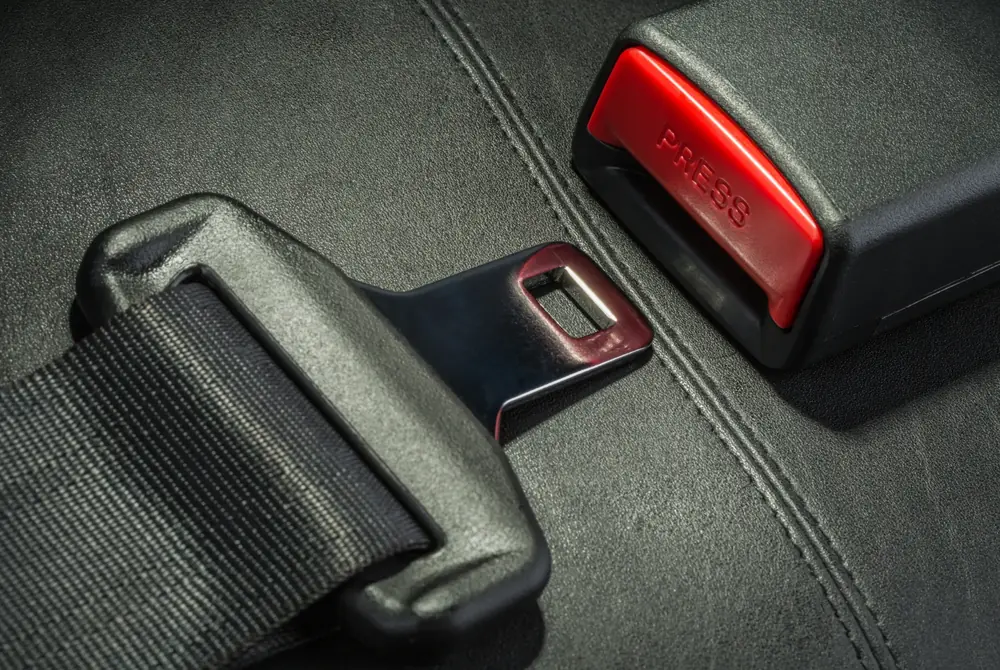
Automotive Seat Belts
Front and rear belts for passenger cars, vans and light commercial vehicles — supplied to suit the seat position, anchorage layout and belt travel of the fitment.
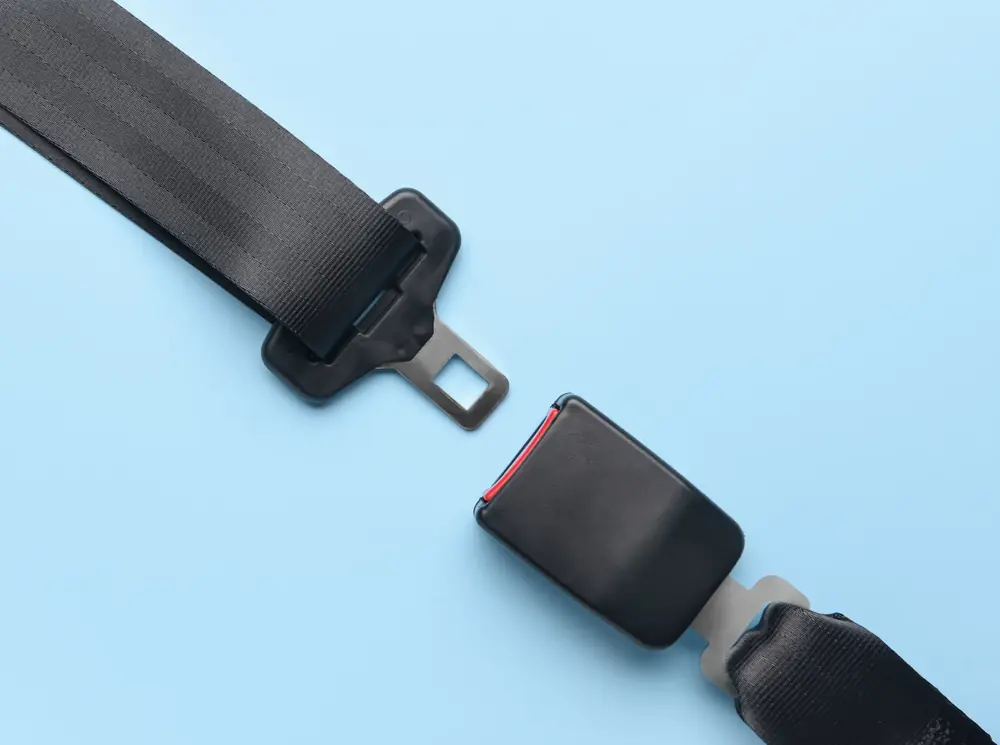
Seat Belt Assemblies
Complete, ready-to-install units — webbing, tongue, buckle, anchor hardware and, where applicable, retractor — supplied together as one matched set.
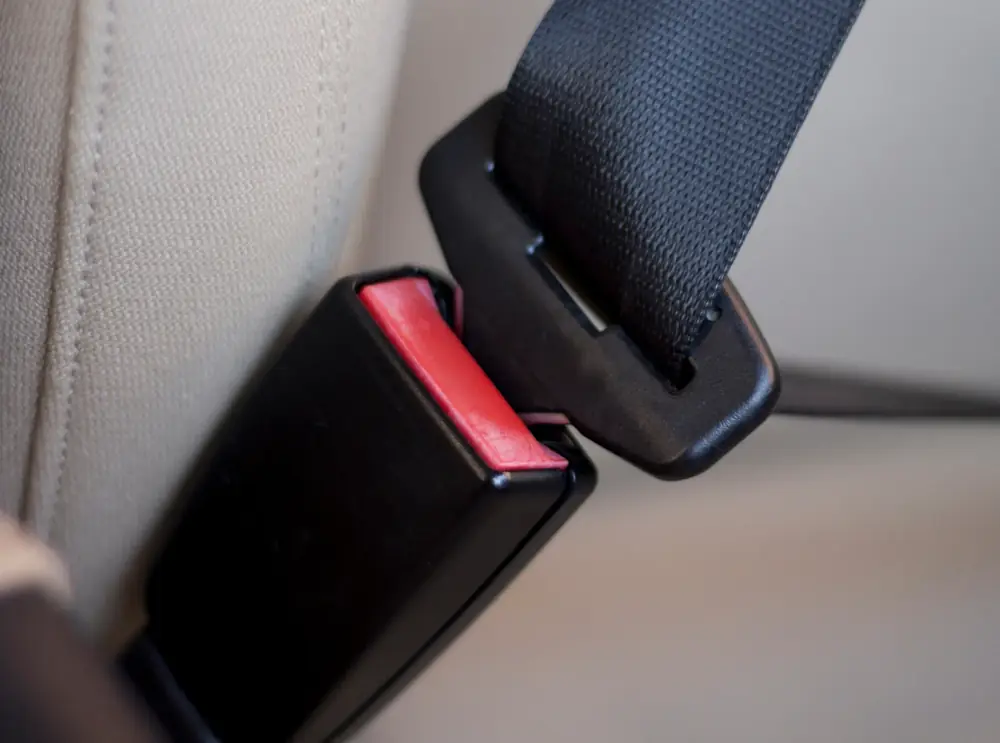
Retractor Systems
The mechanism that stores webbing, keeps it under light tension and locks under sudden movement. Supplied to match spool capacity, locking behaviour and mounting orientation.
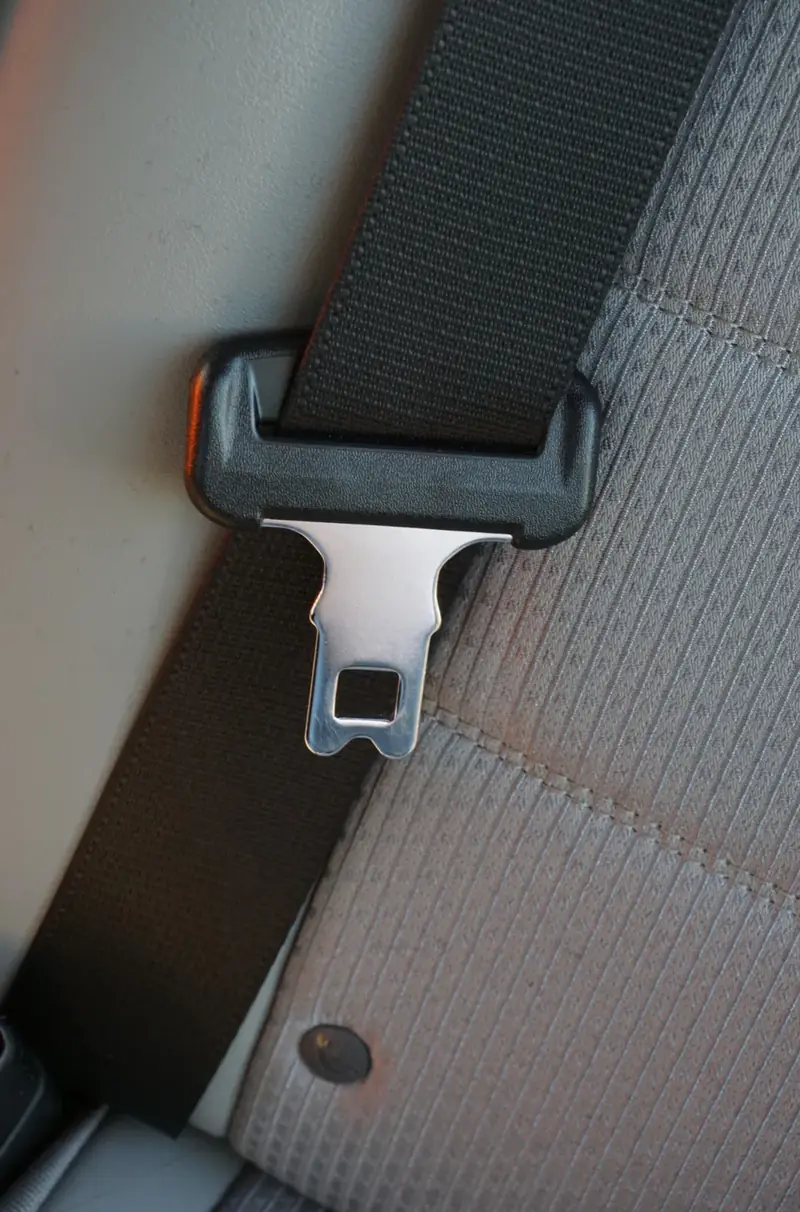
Seat Belt Components
Individual parts for repair and rebuild work — buckles, latch tongues, anchor plates, pillar loops, bolts, bushes, trim covers and webbing hardware.
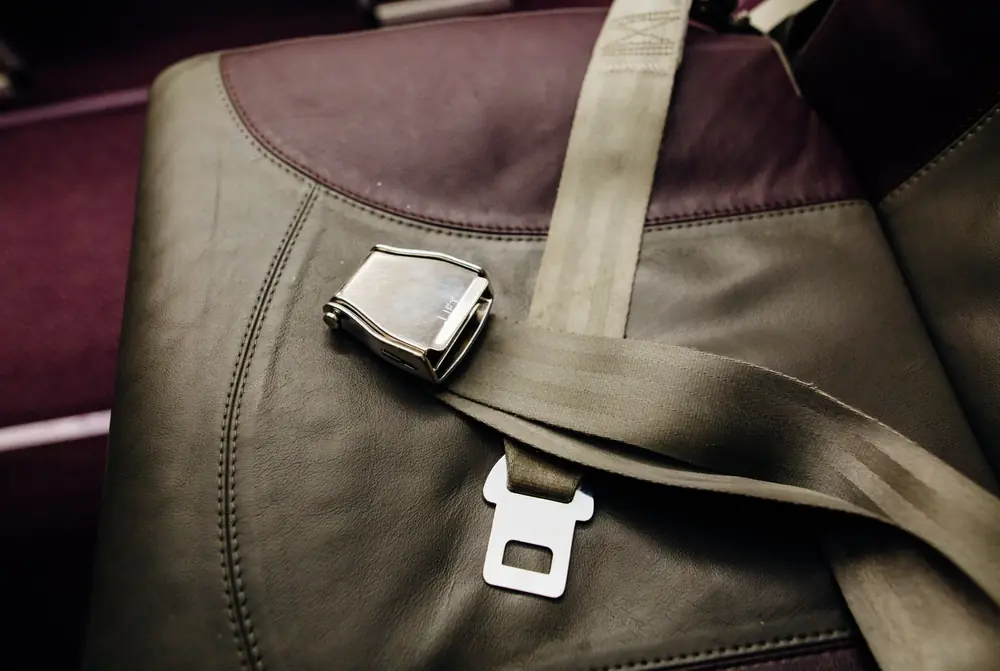
Application-Specific Solutions
Non-standard seating and equipment — operator cabs, static workstations, specialised transport seating and formats that ordinary automotive belts do not suit.
Not sure which family you need?
Send us a photograph of the existing belt, the mounting points and the seat. That is usually enough for us to identify the right category and ask the two or three questions that remain.
The same restraint principle, five very different fitting problems
A belt for a hatchback rear bench and a belt for a crane operator's seat share a purpose and share almost nothing else. Anchorage geometry, webbing travel, retractor behaviour and environmental exposure all shift with the application.
Identify the vehicle or equipment
Make, model, year and body variant, or the equipment type and seat manufacturer.
Map the anchorage points
How many mounting points, where they sit, thread size and whether they are on the seat or the structure.
Establish belt travel
Seat adjustment range, occupant posture and how much webbing must pay out and return.
Match the format
Two-point, three-point, retractor or static — chosen against the three answers above.
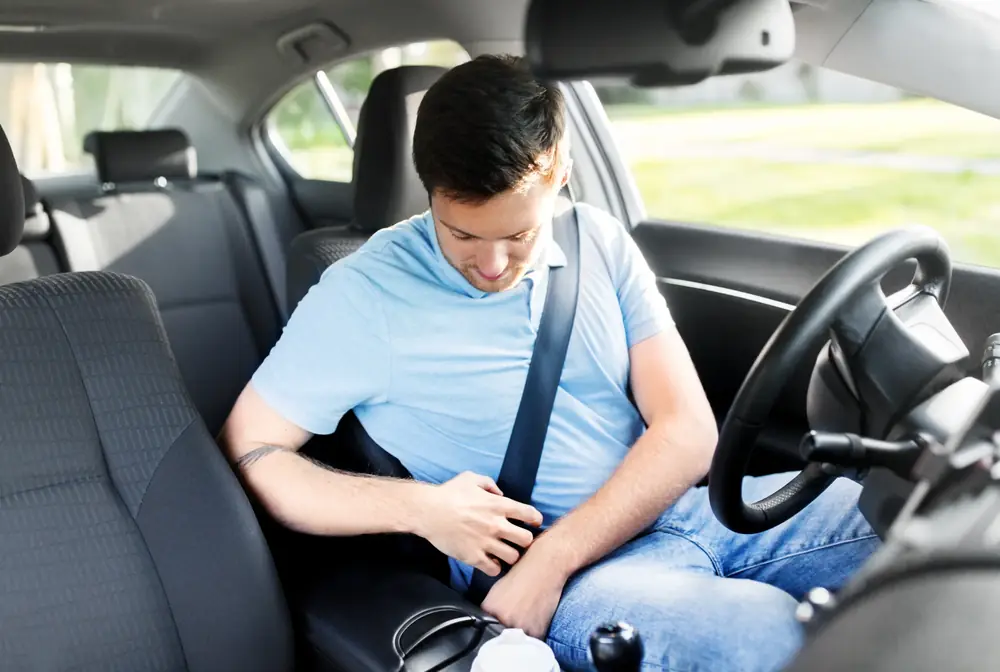
Passenger Vehicles
Hatchbacks, sedans, SUVs and MPVs — front and rear positions, retractor-based, with anchorage points integrated into the body structure.
Explore
Commercial Vehicles
Goods carriers, buses, tempo travellers and staff transport — higher duty cycles, bench and individual seating, and body-built cabins.
Explore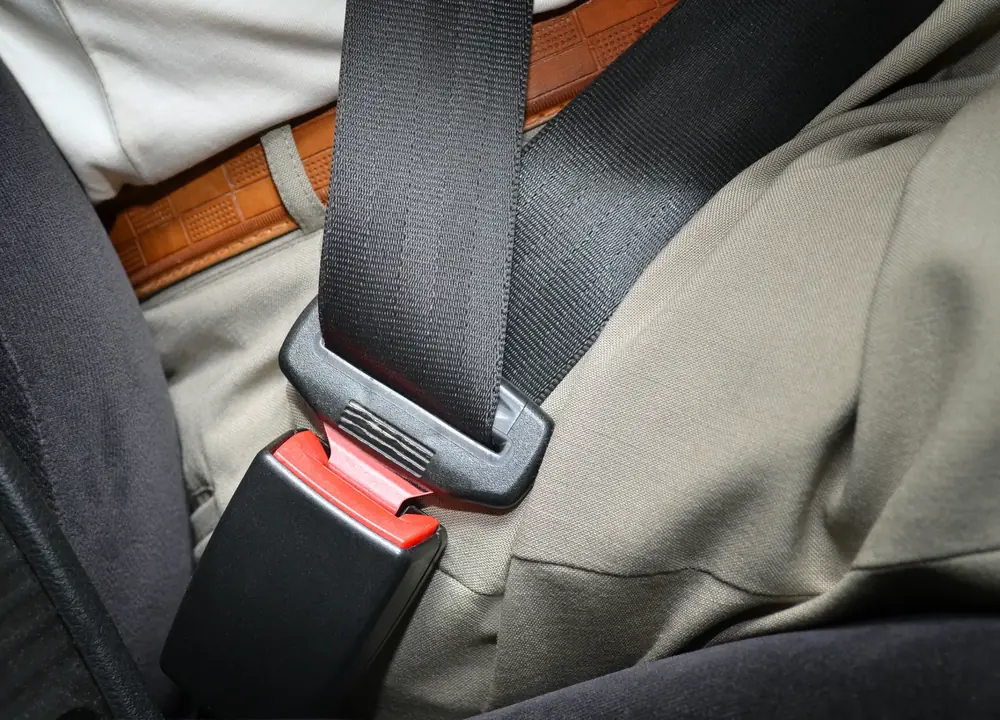
Industrial & Fleet
Tractors, forklifts, cranes, site vehicles and managed fleets — often suspension seats, exposed environments and standardised replacement programmes.
Explore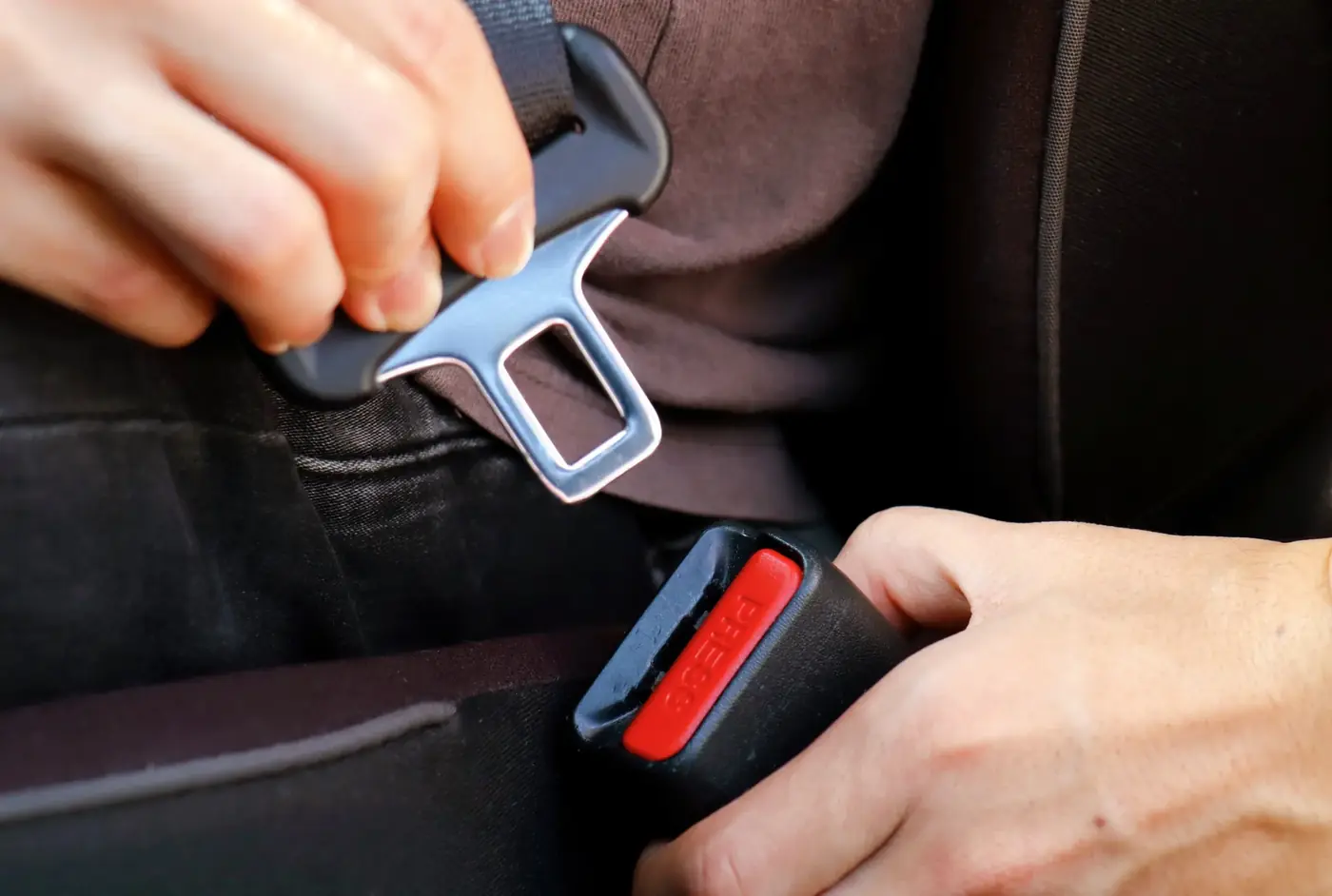
Why seat belt quality is not a detail you can defer
A restraint spends almost its whole service life doing nothing visible. It is worn, unbuckled and forgotten thousands of times, and the one occasion it is genuinely called upon is the occasion nobody plans for. That asymmetry is exactly why the condition and suitability of the part matter far more than its cost.
Restraint works as a chain, not a single part
Webbing, stitching, latch tongue, buckle, retractor, anchor bolts and the structure they thread into all carry the same event. A belt with sound webbing but a worn buckle, or a correct buckle on an anchorage that was never designed for it, is not a functioning restraint — it is an assembly that happens to click.
Suitability is not the same as availability
A belt that physically bolts on has not thereby been shown to suit the seat. Belt travel that runs short at full seat extension, a retractor mounted at the wrong angle to lock as intended, or a stalk length that puts the buckle out of reach are all fitments that look complete and behave poorly.
Condition changes quietly and gradually
Webbing fades, stiffens and frays at the edges. Stitching loosens. Retractors slow. Release buttons collect grit and need more force. None of it announces itself, which is why periodic visual and functional checks matter more than waiting for a fault to become obvious.
Replacement decisions belong with qualified people
Where a restraint has been loaded in an incident, shows damage, or is fitted to a vehicle whose manufacturer specifies particular parts or procedures, that guidance should be followed and the work carried out by a competent technician. We supply parts; we do not substitute for a professional inspection of your vehicle.
Five things customers say make the difference
Product-Focused Expertise
Restraint components are what we deal in every working day, not a line item alongside a thousand unrelated parts. That focus shows in how quickly we can place an unfamiliar belt.
Reliable Distribution Support
Clear confirmation of what is being supplied, honest lead times on what is not immediately available, and a single point of contact from enquiry through to dispatch.
Application Understanding
We ask about the seat, the mounting points and the belt travel before we quote — because those are the answers that decide whether a part will actually work in place.
Quality-Oriented Approach
Webbing condition, stitch integrity, hardware finish and latching feel are checked before dispatch. If something does not meet that bar, it does not go out.
Responsive Communication
Enquiries are answered by someone who can actually discuss the part. Photographs, measurements and part numbers are all welcome and all speed things up.
See how we work
The full picture of our process, from first enquiry through specification and supply.
Why Choose UsPlain explanations of how restraint systems actually work
Written for people who specify, fit or maintain seat belts and want the mechanism explained without marketing language. No product pitch, no invented statistics.
 Fundamentals
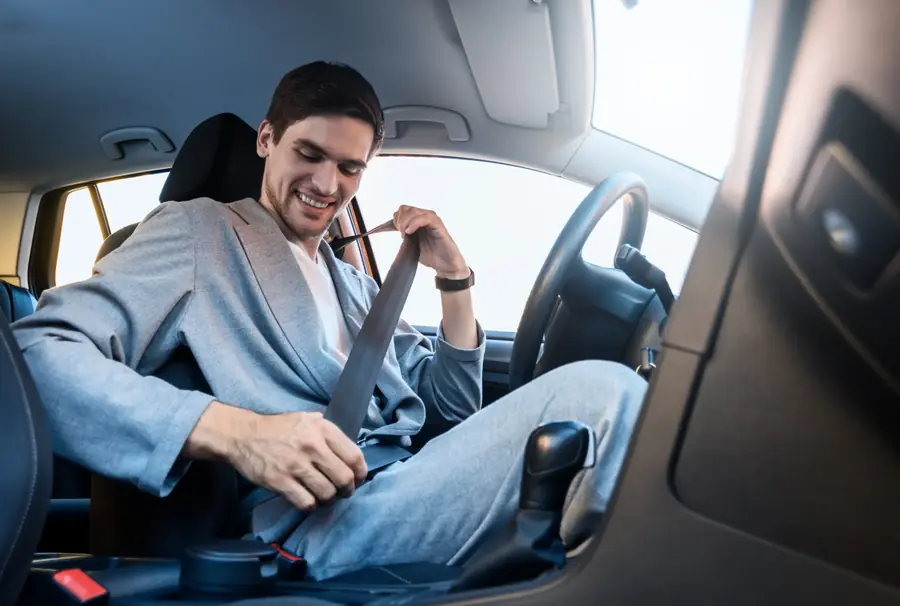
What Is a Seat Belt System and How Does It Work?
Every part in the chain, what each one does, and how they behave together during normal use and sudden deceleration.
Read Article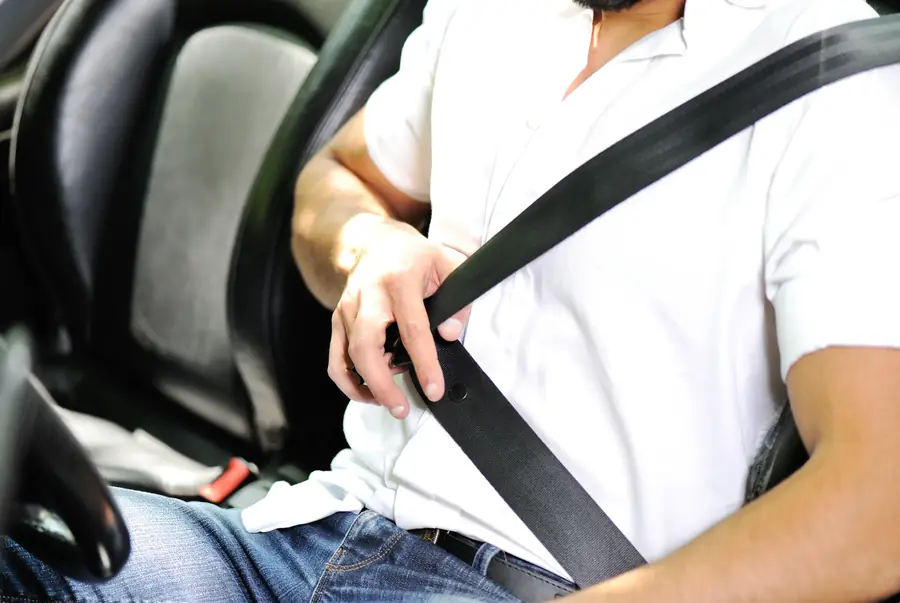 Mechanism
Understanding Seat Belt Retractors
Spool, spring and locking mechanism — why a belt pays out smoothly but grabs when tugged, and what ALR and ELR mean in practice.
Read Article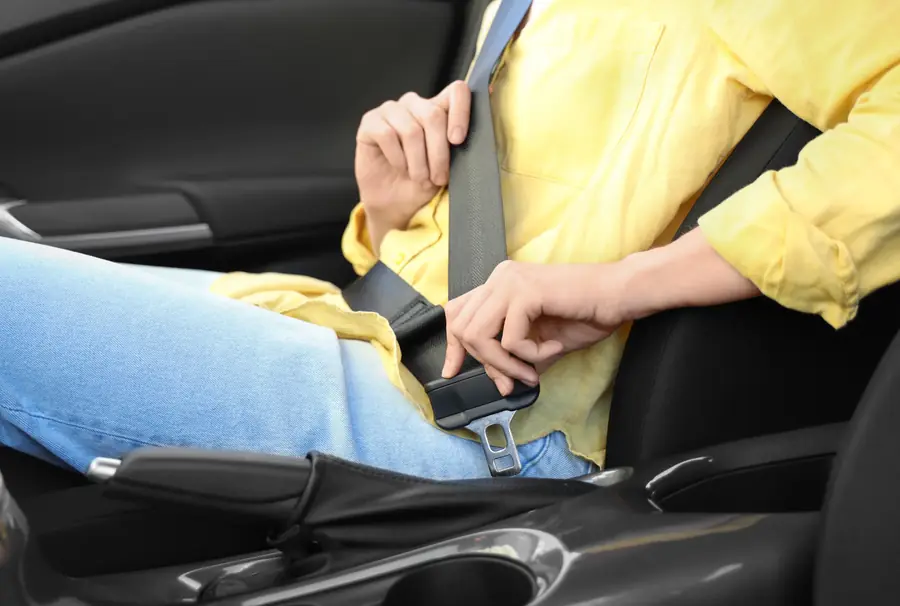 Selection
Factors to Consider When Selecting Seat Belt Components
The measurements and answers that decide whether a part fits — and the assumptions that most often cause a belt to arrive wrong.
Read Article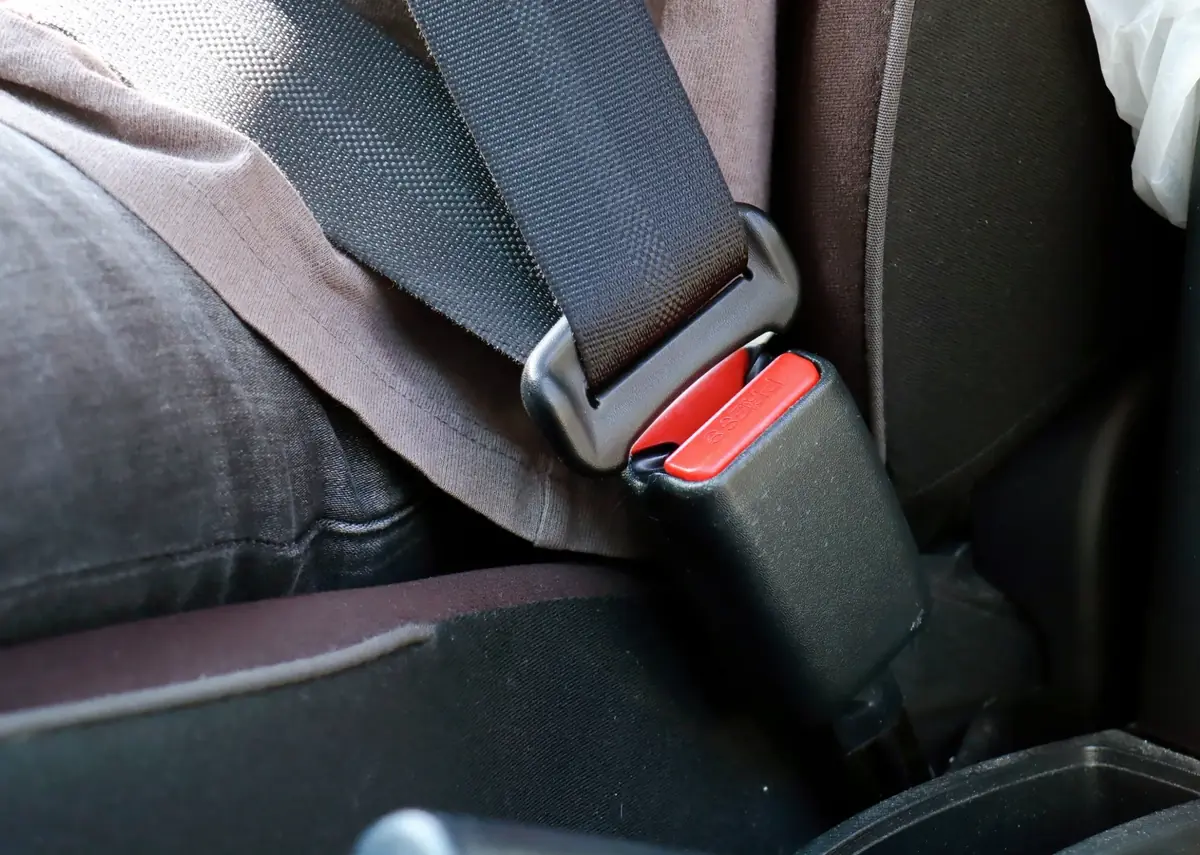
Looking for the Right Seat Belt Solution?
Tell us the vehicle or equipment, the seat position and how the existing belt mounts. We will come back with what fits, what it costs and when it can reach you.